Protein Powder or Amino Acids? Which Is Better for Muscle Recovery and Surgery Recovery?
Protein Powder or Amino Acids? Which Is Better?
One of the most common questions we hear is:
Should I take protein powder or amino acids?
The answer depends on your goal.
Protein powder and essential amino acid supplements are not competing products. They serve different purposes.
Protein powder provides complete protein along with calories and other nutrients. It is an excellent way to increase your total daily protein intake and support overall nutrition, especially for healthy individuals looking to build muscle or maintain an active lifestyle.
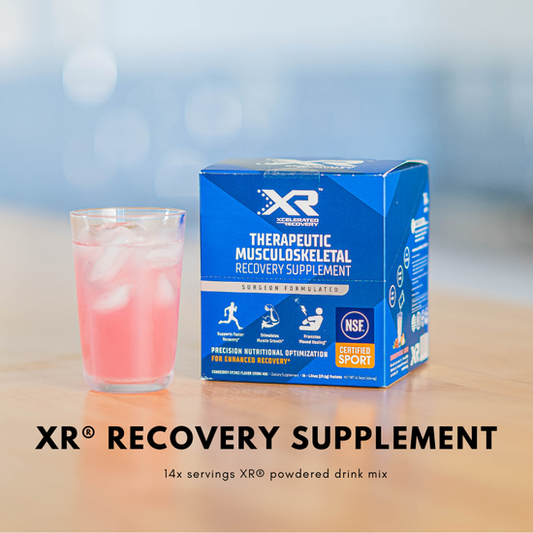
Essential amino acid supplements deliver only the amino acids required to stimulate muscle protein synthesis. Because they do not require the body to break down an entire protein first, they are absorbed quickly and efficiently to support muscle repair during surgery recovery, injury recovery, aging, or intense exercise.
Rather than asking whether protein powder or amino acids are better, ask:
Which one best fits my current goals and recovery needs?
Protein Powder vs Essential Amino Acids
| Protein Powder | Essential Amino Acids | |
|---|---|---|
| Primary purpose | Increase total daily protein intake | Stimulate muscle protein synthesis |
| Digestion | Requires digestion of whole protein | Rapidly absorbed |
| Calories | Moderate to high | Very low |
| Best for | Daily nutrition, meal replacement, muscle gain | Surgery recovery, injury recovery, rehabilitation, healthy aging |
| Appetite required | Usually yes | Easy to take even with a reduced appetite |
| Best timing | Meals or snacks | Before or after exercise, physical therapy, or during recovery |
Many people benefit from both. Protein powder helps meet daily protein goals, while essential amino acids provide targeted nutritional support when your muscles need it most.

Why Surgery Recovery Is Different
Most conversations about protein powder and amino acids focus on bodybuilding or fitness. Recovery after surgery is different.
After surgery, the body enters a highly catabolic state. Muscle breakdown increases while appetite often decreases because of anesthesia, pain, medications, and reduced activity. This creates a challenge because the body needs more nutrition at the exact time many patients find it hardest to eat enough.
Essential amino acids offer several advantages during this period.
- They are absorbed quickly to support muscle protein synthesis.
- They require very little volume, making them easier to consume when appetite is low.
- They help support lean muscle during periods of inactivity.
- They are convenient before rehabilitation sessions and physical therapy.
Protein powder remains an important tool for helping patients reach their daily protein goals. Essential amino acids complement that foundation by delivering targeted nutrition that supports muscle recovery during periods of increased metabolic demand.
Frequently Asked Questions
Is protein powder better than amino acids?
Neither is universally better. Protein powder helps you reach your daily protein intake, while essential amino acids directly stimulate muscle protein synthesis and are especially useful during recovery, rehabilitation, and healthy aging.
Can amino acids replace protein powder?
No. Essential amino acids are designed to complement a healthy diet, not replace it. Whole foods and protein supplements remain important for meeting your overall daily protein requirements.
Can I take protein powder and amino acids together?
Yes. Many athletes, active adults, and surgical patients use both. Protein powder supports total protein intake, while essential amino acids provide targeted support during exercise, rehabilitation, and recovery.
Who benefits most from essential amino acids?
Essential amino acids may benefit older adults, patients recovering from surgery or injury, athletes, and anyone looking to preserve lean muscle during periods of increased physical stress or reduced appetite.
Conclusion
When deciding between protein powder or amino acids, the answer is not about choosing one instead of the other. It is about choosing the right nutritional tool for the right situation.
Protein powder helps meet your total daily protein needs. Essential amino acids provide targeted support for muscle protein synthesis, tissue repair, and recovery. Together they can play complementary roles in a comprehensive nutrition strategy. For patients recovering from surgery, athletes returning to activity, or anyone focused on preserving lean muscle, precision amino acid nutrition offers a science based approach that goes beyond simply consuming more protein.